
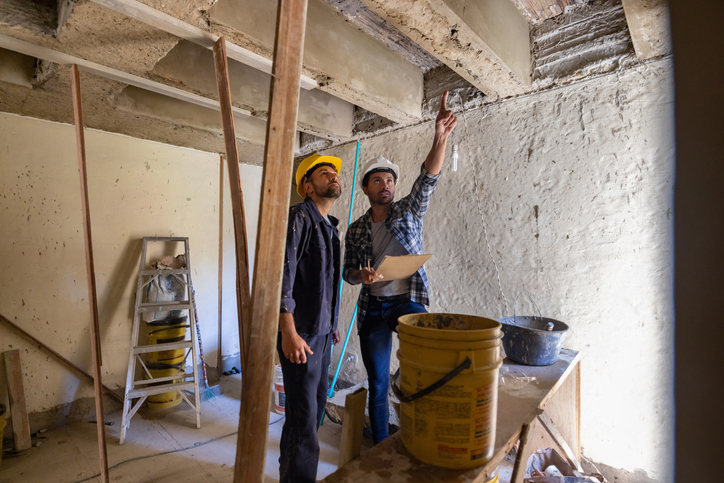
Winter often motivates homeowners to start indoor renovation projects before holiday gatherings. While these upgrades can make a home feel warm and inviting, they also raise concerns about Home Renovations and Asbestos, especially in older homes across Texas and throughout the United States. Asbestos was widely used in residential construction materials until the mid 1980s and it still hides in walls, floors, insulation, and siding today. When disturbed, these fibers become airborne and can lead to lifelong health risks such as lung cancer and mesothelioma.
Because winter work usually happens indoors with limited ventilation, homeowners should understand where asbestos may be located and how to handle potential hazards safely.
Hidden Asbestos Risks During Winter Home Renovations
Indoor renovation projects increase the possibility of disturbing asbestos containing materials. Homeowners often paint, sand, scrape, or remove outdated surfaces during cooler months. Since windows are usually closed for warmth, any released fibers can remain trapped in the living space. Even small projects such as replacing trim or updating flooring can expose family members if the materials contain asbestos.
Understanding where asbestos might exist helps homeowners plan responsibly and avoid unnecessary exposure.
Common Places Asbestos May Be Found in Homes Built Before the Mid 1980s
Homes constructed or remodeled before the mid 1980s often contain asbestos across multiple areas. These materials were popular because they were durable, fire resistant, and affordable. Although many products look harmless to the untrained eye, they may release dangerous fibers when cut, broken, sanded, drilled, or removed.
Drywall or Plaster Installed Before 1980
Drywall and wall plaster manufactured before 1980 frequently contained asbestos, particularly in the joint compound applied between panels as well as wall and ceiling textures.. Light sanding or drilling can release fibers. Winter projects that involve patching walls, knocking down or cutting through walls can stir up dust that becomes airborne easily.
Vinyl Asbestos Floor Tiles Manufactured Before the Mid 1980s
Many homes still have old vinyl floor tiles that contain asbestos. These tiles are often found in kitchens, bathrooms, laundry rooms, or basements. The adhesives used beneath the tiles may also contain asbestos. Removing or scraping these old floors without proper protection can release fibers into the home during winter renovations.
Exterior Asbestos or Transite Siding Installed Before the Mid 1980s
Some older homes include asbestos cement siding or transite siding. These materials can remain stable if left untouched. However, winter projects that involve repairing exterior damage or replacing siding can create dust that contains asbestos. Although outdoor exposure is less concentrated, improper removal can still allow fibers to enter the home through windows or ventilation systems.
Thermal Insulation for Basement Furnaces or Boilers
Homes with older heating systems may have asbestos insulation wrapped around boilers, pipes, or furnaces. Winter is the season when many homeowners service or upgrade their heating equipment. Disturbing insulation in these areas can expose hidden asbestos. Because furnaces and boilers run more frequently in colder months, any damaged insulation can release fibers into the air.
Vermiculite or Zonolite Attic Insulation Installed Before the Mid 1980s
Vermiculite insulation was commonly used in attics throughout the mid twentieth century. Although not all vermiculite contains asbestos, a significant amount originated from a mine contaminated with asbestos. If your home was insulated before the mid 1980s, assume vermiculite may be contaminated. Winter renovations often involve improving attic insulation for better energy efficiency, which increases the risk of disturbing these materials.
How Homeowners Can Identify Potential Asbestos Hazards Before Renovating
Identifying asbestos containing materials can be challenging since most products do not look dangerous. Materials may appear solid, clean, or stable while still containing hidden fibers. Because visual inspection is rarely reliable, homeowners should consider the age of the home, the type of material, and the history of any previous renovations.
A safe approach includes:
- Checking whether your home was built or remodeled before the mid 1980s.
- Treating suspect materials with caution until tested. Assume drywall, drywall textures, exterior siding and vinyl flooring are all asbestos containing if your home was built before the mid 1980s. Treat these materials as asbestos containing until you have them tested.
- Avoiding unnecessary cutting or sanding before confirming material safety.
- Contacting an accredited asbestos inspector for professional sampling and abatement.
- Testing not necessary unless the material is going to be disturbed or it is disentigrating. Asbestos fibers become harmful when they are friable (fibers released into the air). So, if you are not disturbing the product or it is not disintegrating then testing and abatement are not necessary.
Professional inspectors use controlled methods to collect samples without releasing fibers into the home. This step is essential before winter projects that involve demolition or removal.
Safe Practices for Handling Asbestos During Winter Renovations
When asbestos is confirmed or strongly suspected, homeowners should avoid disturbing the material. Winter conditions often increase indoor exposure because ventilation is limited and families spend more time inside.
Best safety practices include:
- Leaving asbestos containing materials undisturbed whenever possible.
- Hiring licensed abatement professionals for removal or encapsulation.
- Sealing off renovation areas to prevent dust spread.
- Using air filtration equipment designed to capture microscopic particles.
- Scheduling work when vulnerable family members are not home.
Professional abatement teams follow strict standards that reduce airborne fibers and ensure safe disposal according to federal and state regulations.
Why Asbestos Awareness Matters for Families During the Holidays
The holidays bring guests, gatherings, and more time indoors. If winter renovation projects release asbestos fibers, family members and visitors can inhale them without knowing. Asbestos illnesses like mesothelioma develop decades after exposure, which means a brief incident today can have serious health consequences later in life.
Awareness allows homeowners to enjoy winter renovations confidently and protect the people who matter most.
If you believe a past renovation exposed your family to asbestos or you worked around asbestos in a job setting, you may want legal guidance. You can speak with our Dallas mesothelioma attorneys at DuBose Law Firm to learn about your rights and potential compensation options.
Frequently Asked Questions
How do I know if my home contains asbestos?
Homes built before the mid 1980s have a higher chance of containing asbestos. The only reliable method is professional testing by an accredited inspector since asbestos cannot be identified by sight alone. If your home is built before the mid 1980s, assume the drywall, drywall textures, original vinyl flooring, original exterior siding are asbestos containing.
Is it safe to remove asbestos myself during renovations?
DIY removal is not recommended. Disturbing asbestos releases harmful fibers that can contaminate your home. There is no safe level of asbestos exposure. Licensed abatement professionals follow safety protocols and comply with state and federal regulations.
Do all old vinyl tiles contain asbestos?
Not all vinyl tiles contain asbestos, but many manufactured before the mid 1980s do. The adhesive beneath the tiles may also contain asbestos. Testing is the only way to confirm safely.
Can winter weather increase the risk of asbestos exposure?
Winter increases indoor exposure because renovation work often happens inside closed spaces with limited ventilation. Fibers can linger longer in still indoor air.
Is vermiculite attic insulation always contaminated?
Not always, but much of the vermiculite sold before the mid 1980s originated from a source contaminated with asbestos. It is safest to assume older vermiculite may contain asbestos until tested.
Who should I contact if I suspect asbestos exposure during a renovation?
Homeowners can contact licensed asbestos inspectors for testing and abatement contractors for safe removal.

 White House East Wing Demolition Missing Asbestos Permits