
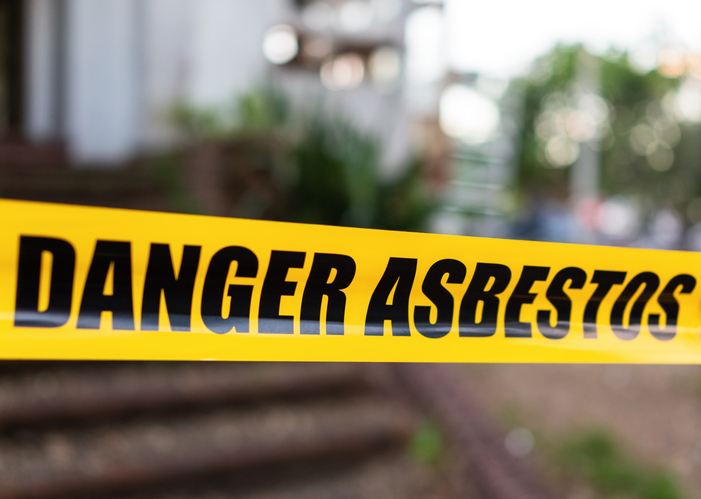
Asbestos risks persist worldwide despite regulatory bans that were meant to end exposure decades ago. Asbestos disease takes decades to develop – a time period still longer than most bans have existed. Additionally, even now, asbestos remains embedded in aging buildings, industrial sites, and infrastructure across the globe. As a result, asbestos-related diseases such as mesothelioma and lung cancer continue to rise. Unfortunately, the danger has not disappeared. Instead, it has shifted and, in some cases, become harder to detect.
Although many countries have restricted asbestos, the material has not disappeared from the built environment. Instead, it often resurfaces during renovations, demolitions, and disaster recovery efforts. Because asbestos-related diseases develop slowly, the consequences of these exposures are still unfolding today.
Why Asbestos Remains a Global Problem
Asbestos was once widely used for its heat resistance and durability. For decades, it appeared in construction materials, insulation, shipbuilding products, automotive parts, and industrial equipment. While many nations banned asbestos years ago, the material still exists in older buildings and infrastructure.
Because asbestos fibers are microscopic, exposure often occurs without warning. When disturbed, these fibers can remain airborne for long periods. Consequently, people may inhale or ingest them without realizing it.
Legacy Asbestos Continues to Put Lives at Risk
Legacy asbestos refers to asbestos-containing materials installed before bans took effect. These materials are common in older homes, schools, factories, and public buildings.
During renovations, repairs, or demolition, asbestos can easily become airborne. Construction workers, maintenance crews, and even residents may be exposed. In many cases, exposure happens decades after the original installation.
Since asbestos-related diseases have long latency periods, the health consequences may not appear for 20 to 50 years. That delay makes prevention even more critical today.
Health Effects of Asbestos Exposure
All forms of asbestos are dangerous. There is no safe level of exposure. Once fibers enter the body, they can lodge in lung or abdominal tissue and cause chronic inflammation.
Over time, this damage can lead to serious and often fatal illnesses.
Diseases Linked to Asbestos
Common asbestos-related diseases include:
- Mesothelioma, a rare and aggressive cancer of the lung or abdominal lining
- Lung cancer, with significantly higher risk for smokers
- Asbestosis, a progressive scarring of lung tissue
- Other cancers affecting the larynx and ovaries
Because symptoms often appear decades later, many patients are diagnosed at advanced stages. Early detection remains difficult, which contributes to poor outcomes.
The Ongoing Global Health Burden
Although asbestos use has declined in many countries, the global disease burden remains high. Hundreds of thousands of deaths each year are linked to past and present asbestos exposure.
In developed nations, aging infrastructure poses the greatest risk. In developing regions, asbestos is still actively used in construction and manufacturing. As a result, exposure continues across generations.
Organizations such as the World Health Organization have consistently warned that asbestos remains one of the leading causes of occupational cancer worldwide.
Why Bans Alone Have Not Solved the Problem
While bans are essential, they are not enough on their own. Several challenges continue to undermine progress.
Key Barriers to Eliminating Asbestos Risk
First, asbestos disease takes decades – often thirty to fifty years from the time of exposure – before the disease manifests itself. Most asbestos bans around the world have existed for less time than this long asbestos latency period. Accordingly, there will be more time before the impact of bans becomes clearer. But bans help stop exposure and are critical.
Second, existing asbestos materials remain widespread and costly to remove. Many property owners delay abatement due to expense or lack of awareness.
Third, asbestos is still mined, sold, and used in some countries. International trade allows asbestos-containing products to cross borders, even where domestic bans exist.
Next, improper removal increases exposure risk. Without trained professionals and strict safety controls, asbestos abatement can do more harm than good.
Finally, enforcement gaps allow unsafe practices to continue, especially in low-resource regions.
Protecting Workers and Communities
Reducing asbestos-related disease requires a proactive approach. Prevention remains the most effective solution.
Steps That Can Reduce Exposure
- Identifying asbestos in older buildings before renovation or demolition
- Using licensed professionals for inspection and removal
- Enforcing strict workplace safety standards
- Expanding public education about asbestos risks
- Supporting international efforts to end asbestos mining and trade
When governments, employers, and communities work together, exposure can be significantly reduced.
Looking Ahead
The science is clear. Asbestos causes serious disease, and its risks do not disappear with time. Even decades after bans, the global asbestos threat persists.
However, with stronger enforcement, safer removal practices, and continued global cooperation, progress is possible. Protecting future generations depends on addressing both past asbestos use and present-day exposure risks.
Awareness, prevention, and accountability remain the keys to ending this ongoing public health crisis.
Frequently Asked Questions About the Ongoing Global Asbestos Threat
Why does asbestos remain a threat even after widespread bans?
Asbestos remains dangerous because bans do not remove existing materials. Older buildings, ships, and industrial sites still contain asbestos. When these materials age, deteriorate, or are disturbed, fibers can be released into the air, creating new exposure risks decades after bans were enacted.
How does legacy asbestos contribute to ongoing exposure worldwide?
Legacy asbestos is present in millions of structures built before restrictions took effect. During renovation, demolition, or disaster cleanup, these materials can release fibers. Because many countries lack strict abatement rules or trained professionals, exposure continues at both occupational and community levels.
Which regions face the highest asbestos risks today?
Risk remains high in developing regions where asbestos is still used in construction materials. However, industrialized countries also face ongoing danger due to aging infrastructure. As a result, asbestos exposure remains a global issue rather than a historical one.
Why are asbestos-related diseases still being diagnosed today?
Asbestos-related diseases have long latency periods. Symptoms often appear 20 to 50 years after exposure. Because of this delay, people exposed decades ago are only now being diagnosed, even in countries where asbestos has been banned for years.
How does continued asbestos use in some countries affect global health?
Continued mining and manufacturing increase worldwide exposure through trade, construction, and environmental contamination. Even countries with bans may be affected by imported materials or international labor migration, which spreads health risks beyond national borders.
What steps are most effective in reducing future asbestos harm?
The most effective steps include identifying asbestos in existing structures, enforcing safe removal standards, educating workers and the public, and eliminating asbestos mining and trade globally. Without these measures, bans alone will not prevent future disease.

 The Legacy of OSHA and EPA Asbestos Regulations