
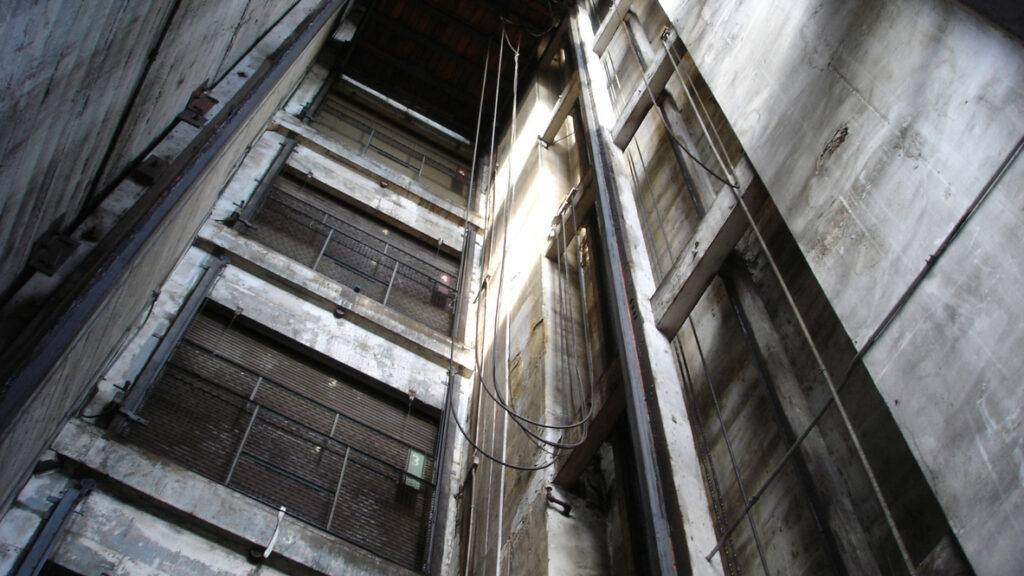
Elevator mechanics asbestos exposure in older buildings is often overlooked. Elevator technicians typically work inside commercial towers, hospitals, schools, and government buildings constructed during decades when asbestos use was common. While they did not manufacture insulation or install fireproofing, their work frequently placed them inside shafts, mechanical rooms, and structural spaces where asbestos-containing materials were present.
Understanding elevator mechanics asbestos exposure requires examining building construction practices from the mid twentieth century. Many of these buildings relied on asbestos for fire resistance and insulation. When those materials were drilled, cut, or disturbed during elevator installation or repair, fibers could be released into confined work areas.
Why Older Buildings Used Asbestos Around Elevator Systems
From the 1940s through the late 1970s, asbestos was widely used in commercial construction. High-rise buildings in particular depended on fire-resistant materials to protect structural steel and mechanical systems. Elevator shafts were required to meet strict fire safety standards. As a result, asbestos-containing materials were often incorporated into surrounding walls, insulation, and equipment components.
In older buildings, asbestos could be found in:
- Spray-applied fireproofing inside shafts
- Insulation around steam or heating pipes
- Cement wall panels and backing boards
- Electrical panel insulation
- Gaskets and brake components in older elevator systems
These materials were considered durable and safe when intact. However, installation, modernization, or repair work sometimes disturbed them.
How Elevator Mechanics Asbestos Exposure Could Occur
Elevator mechanics asbestos exposure generally occurred during installation, repair, modernization, or emergency maintenance.
Unlike office workers in the same building, elevator mechanics often worked inside shafts and machine rooms where building systems were concentrated. These areas frequently contained insulated pipes, fireproofing materials, and structural components treated with asbestos-containing products.
Drilling and Anchoring Into Shaft Walls
When installing or replacing elevator rails and brackets, mechanics drilled into concrete or wall systems. In buildings constructed during peak asbestos use years, surrounding fireproofing or backing materials sometimes contained asbestos.
Drilling could release fine dust into the shaft, where ventilation was limited.
Machine Room Repairs and Component Replacement
Elevator machine rooms often housed motors, control panels, and braking systems. Older components sometimes incorporated asbestos in gaskets or friction materials.
Replacing worn parts or servicing equipment could disturb aging materials, particularly in buildings that had not undergone full modernization.
Modernization Projects in Aging High-Rise Buildings
Elevator upgrades are common in commercial towers built in the 1950s through 1970s. During modernization, walls may be opened, ceiling materials removed, and mechanical systems replaced.
If asbestos-containing materials were present and not fully abated, renovation work could increase exposure potential.
Work in Confined Shaft Environments
Elevator shafts are enclosed vertical spaces. When dust is generated inside them, it may linger longer than in open environments. Limited airflow can increase concentration levels during active disturbance.
This confined nature is one reason elevator mechanics asbestos exposure can be significant even if the work period was intermittent.
Types of Buildings Where Exposure Risk Was Higher
Not all buildings carried the same level of risk. Elevator mechanics asbestos exposure was more likely in structures built during heavy asbestos use decades.
High-risk settings historically included:
- Mid-century office towers
- Hospitals constructed before the 1980s
- Government buildings and courthouses
- Universities and older academic facilities
- Large residential high-rise complexes
Each of these building types often included spray-on fireproofing and insulated mechanical systems near elevator infrastructure.
Time Periods Associated With Greater Exposure Potential
Asbestos use peaked in commercial construction before federal regulations strengthened in the late 1970s and early 1980s.
Elevator mechanics who began working in the 1960s or 1970s may have encountered asbestos more frequently during new installations. Those working in the 1980s and 1990s often faced risk during modernization of older structures.
Today, most new construction avoids asbestos-containing materials. However, legacy materials remain in some older buildings. Proper inspection and abatement procedures are required before major renovations.
Bystander and Secondary Exposure Considerations
Elevator mechanics asbestos exposure did not always require direct handling of insulation or fireproofing. Bystander exposure could occur when other trades disturbed materials nearby.
For example, construction crews removing ceiling panels or upgrading HVAC systems in the same shaft area could release dust. Elevator technicians working in proximity may have inhaled airborne fibers without directly participating in the removal.
Additionally, dust on work clothing historically created the possibility of secondary exposure at home, particularly before awareness increased and protective measures improved.
Health Considerations and Long Latency
Asbestos-related diseases often develop many years after exposure. Mesothelioma, lung cancer, and asbestosis are associated with inhalation of asbestos fibers.
Not every exposed worker develops illness. Risk varies based on duration, frequency, and concentration of exposure.
Because symptoms may not appear for decades, documenting employment history in older buildings is important when evaluating respiratory health concerns later in life.
Common Questions About Elevator Mechanics Asbestos Exposure
There is sometimes a misconception that only heavy industrial workers were exposed to asbestos. In reality, asbestos was widely used in commercial construction, including office towers and public buildings.
Another common belief is that elevator equipment itself did not involve asbestos. While modern systems generally do not use asbestos materials, older components and surrounding structural materials sometimes did.
It is also important to recognize that intact, undisturbed materials present lower risk. Exposure typically occurs when materials are cut, drilled, sanded, or deteriorating.
Accurate understanding depends on building age, renovation history, and work activities performed.
Evaluating Past Occupational Exposure
Elevator mechanics who have concerns about past exposure may benefit from reviewing their employment timeline. Useful details include:
- Years active in the trade
- Types of buildings serviced
- Major modernization projects completed
- Work performed inside shafts or mechanical rooms
Building construction dates can provide additional context. Structures built before the 1980s are more likely to have incorporated asbestos-containing materials.
If respiratory symptoms are present, consultation with a healthcare provider experienced in occupational exposure can help determine appropriate evaluation steps.
Frequently Asked Questions
Were elevator shafts insulated with asbestos
In some older buildings, fireproofing and insulation materials inside elevator shafts contained asbestos, particularly in structures built before the 1980s.
Did elevator brake systems contain asbestos
Some older braking and friction components incorporated asbestos for heat resistance. Modern systems typically do not.
Is asbestos still present in high-rise buildings today
Many older buildings still contain asbestos materials. Regulations require inspection and proper management during renovation.
Can brief exposure during installation cause health problems
There is no safe level of exposure to asbestos. Even exposures of short duration have been linked to mesothelioma.
Were elevator mechanics exposed even if they did not remove insulation
Yes. Exposure could occur during drilling, cutting, or working near other trades disturbing asbestos-containing materials.
Are new elevator systems asbestos free
Modern manufacturing standards have largely eliminated asbestos use in elevator components. Risk today typically relates to legacy building materials rather than new equipment.

 Pleural Mesothelioma Explained: Symptoms, Causes, Treatment & What Comes Next