
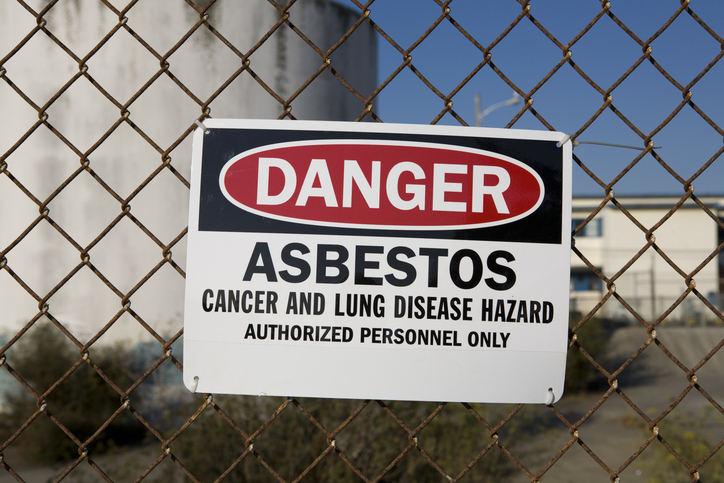
Cancer Prevention Month and the Cost of Asbestos Exposure
Cancer Prevention Month is a time to focus on risks we can reduce and tragedies we can avoid. Few examples illustrate this better than asbestos exposure. Asbestos exposure causes cancer in ways that are now well-documented, yet thousands of families still face diagnoses linked to exposures that should never have happened.
Although asbestos was once praised for its durability and heat resistance, its dangers are no longer in question. Medical science has clearly shown that asbestos exposure causes cancer, especially mesothelioma and lung cancer. Consequently, Cancer Prevention Month offers a crucial opportunity to educate, protect, and prevent future harm.
What Is Asbestos and Why Was It Used?
Asbestos is a group of naturally occurring minerals made of microscopic fibers. For decades, these fibers were added to insulation, cement, roofing materials, ship components, and industrial products. At the time, asbestos seemed like a miracle material.
However, when asbestos-containing materials are disturbed, tiny fibers become airborne. Once inhaled or swallowed, they can lodge deep in the body. Over time, these fibers cause chronic inflammation and cellular damage. This process explains why asbestos exposure causes cancer, often many years after the initial contact.
How Asbestos Exposure Causes Cancer
The connection between asbestos and cancer is rooted in biology. Asbestos fibers are sharp, durable, and resistant to breakdown. When they enter the body, they remain there for decades.
According to global health authorities, including the World Health Organization and the International Agency for Research on Cancer, asbestos is a known human carcinogen. In other words, asbestos exposure causes cancer with no safe level of exposure.
The Long Latency Period
One of the most dangerous aspects of asbestos-related disease is latency. Symptoms may not appear for 20 to 50 years. As a result, individuals often feel healthy long after exposure and are shocked by a cancer diagnosis later in life.
This delayed onset is why Cancer Prevention Month messaging matters so much. Prevention must happen before exposure occurs, not after symptoms begin.
Mesothelioma: A Signature Asbestos Cancer
Mesothelioma is the cancer most closely linked to asbestos. It affects the mesothelium, a thin lining around the lungs, abdomen, or heart. In fact, asbestos exposure causes cancer in this lining so reliably that mesothelioma is considered a signature disease of asbestos exposure.
Key characteristics of mesothelioma include:
- Nearly all cases are linked to asbestos
- Symptoms often appear decades after exposure
- The disease is aggressive and difficult to treat
Because mesothelioma is rare in the general population, its presence often signals past asbestos exposure. During Cancer Prevention Month, this cancer serves as a stark reminder of what happens when prevention fails.
Asbestos Exposure and Lung Cancer
While mesothelioma is unique, lung cancer caused by asbestos is far more common. Studies show that asbestos exposure causes cancer in lung tissue, especially when combined with smoking. However, even non-smokers face increased risk after exposure.
Asbestos-related lung cancer develops when fibers embed in lung tissue, triggering scarring and genetic mutations. Over time, these mutations can lead to malignant tumors. Importantly, asbestos-related lung cancer is clinically indistinguishable from other lung cancers, which often complicates diagnosis and attribution.
Who Is Most at Risk of Asbestos Exposure?
Understanding risk is essential for prevention. Historically, the highest exposure occurred in occupational settings. However, secondary exposure has also harmed families.
High-risk groups include:
- Construction and demolition workers
- Shipyard and refinery workers
- Power plant and factory employees
- U.S. Navy veterans
- Family members exposed to contaminated clothing
Even today, asbestos exposure remains a concern in older buildings and infrastructure. Therefore, Cancer Prevention Month education must extend beyond the workplace.
Secondhand and Environmental Exposure
Not all asbestos victims worked directly with the material. Many were exposed secondhand when fibers were carried home on hair, skin, or clothing. Others encountered asbestos during home renovations or natural disasters that disturbed older structures.
These cases reinforce a critical truth: asbestos exposure causes cancer even outside traditional industrial settings. Awareness and caution remain essential.
Why Asbestos Cancers Are Preventable
Unlike many cancers, asbestos-related cancers are largely preventable. The cause is known. The mechanism is understood. The solution—eliminating exposure—is clear.
Yet, asbestos remains present in countless buildings, ships, and products worldwide. Some countries still mine and use it. Consequently, Cancer Prevention Month must address not only personal risk, but also public policy and enforcement.
Prevention strategies include:
- Strict asbestos bans and enforcement
- Professional asbestos inspections before renovations
- Safe removal by licensed abatement professionals
- Worker training and protective equipment
Each measure reduces the likelihood that asbestos exposure causes cancer in future generations.
Early Warning Signs and Medical Awareness
Although prevention is ideal, early detection can improve outcomes. Individuals with known exposure histories should inform their healthcare providers, even if symptoms seem mild.
Common warning signs include:
- Persistent shortness of breath
- Chest or abdominal pain
- Chronic cough
- Unexplained weight loss
During Cancer Prevention Month, medical awareness campaigns stress the importance of exposure history in diagnosis. Earlier recognition can lead to better symptom management and care planning.
The Emotional and Social Impact of Asbestos Cancers
Asbestos-related cancers affect more than physical health. Families often face emotional distress, financial strain, and unanswered questions. Many struggle with the knowledge that the disease was preventable.
Acknowledging this burden is part of meaningful cancer prevention. Education, counseling, and community support are vital resources for those affected.
Learning How to Protect Yourself
Cancer Prevention Month isn’t just about awareness—it’s about action. Protecting yourself from asbestos exposure starts with knowledge.
Practical steps include:
- Avoid disturbing suspected asbestos materials
- Hire certified professionals for inspections and removal
- Use proper protective equipment if exposure is possible
- Advocate for safer workplaces and housing
By taking these steps, individuals help ensure that asbestos exposure causes cancer far less often in the future.
Frequently Asked Questions About Asbestos and Cancer
Does asbestos exposure always cause cancer?
Not everyone exposed develops cancer, but there is no safe level of exposure. Risk increases with intensity and duration.
Can asbestos-related cancer be cured?
There is no universal cure, but treatments can extend life and improve quality of life, especially when diagnosed earlier.
Is asbestos still used today?
Yes. While banned in many countries, asbestos remains in older buildings and is still used in several countries around the world.
How long after exposure does cancer develop?
Most asbestos-related cancers appear 20–50 years after exposure.
What cancers are linked to asbestos exposure?
Mesothelioma and lung cancer are most common, with strong evidence also linking asbestos to laryngeal and ovarian cancers.
Why focus on asbestos during Cancer Prevention Month?
Because asbestos-related cancers are largely preventable, making them central to effective cancer prevention efforts.

 Asbestos in Automotive Engine Gaskets